

clinical guidelines fully processed
BIOS Doctor
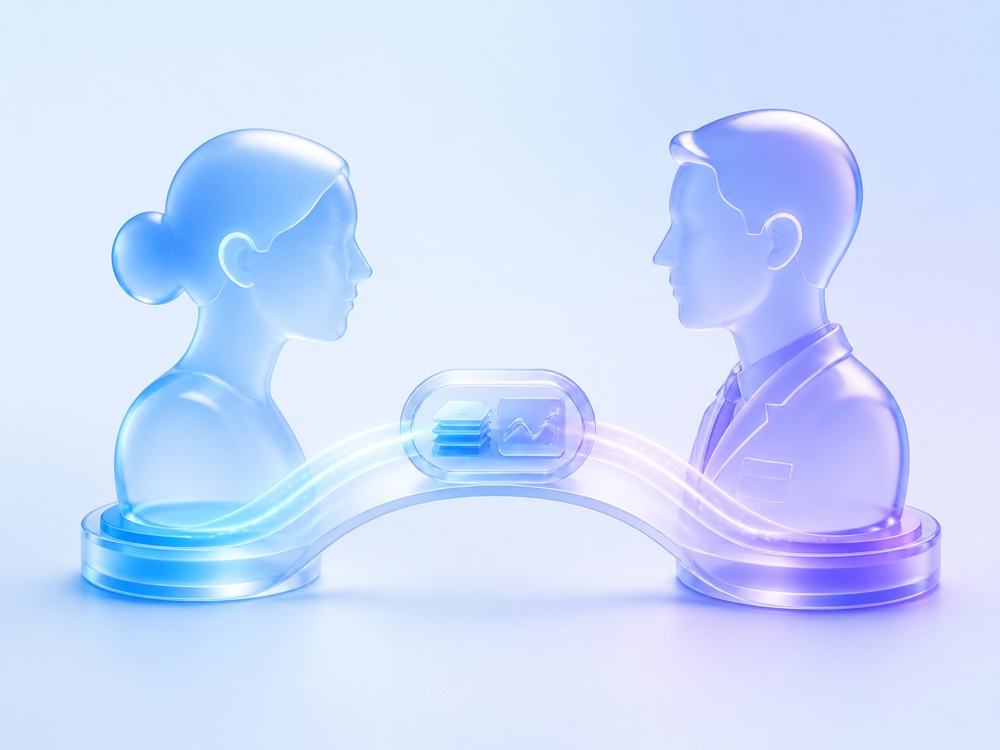
The patient context — before the appointment.
Continuity of care — afterwards.
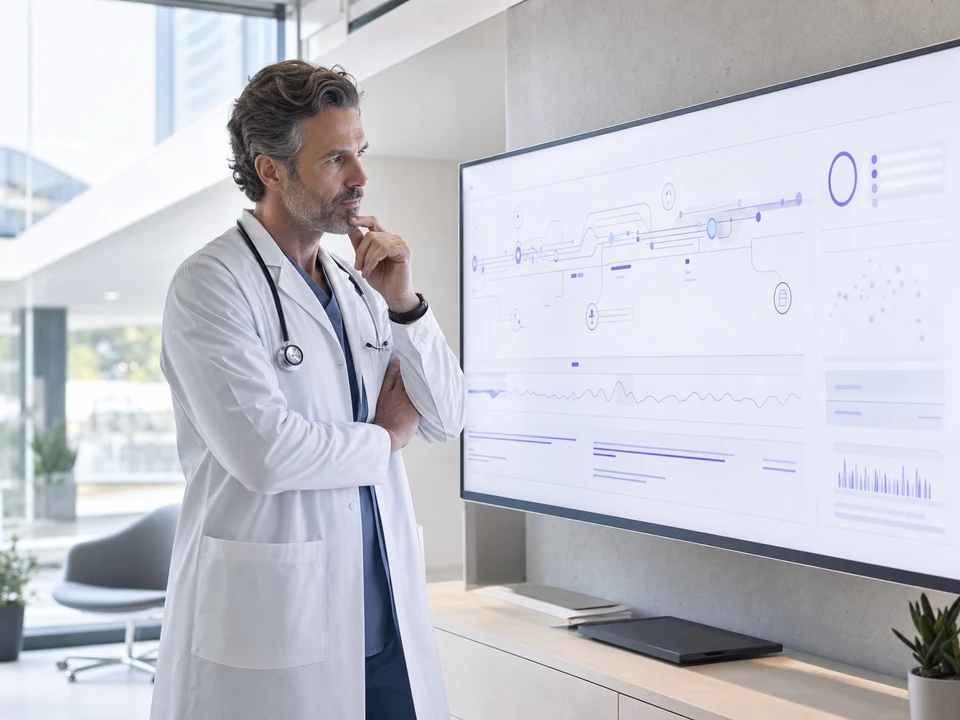
BIOS prepares a verifiable medical context before the appointment: a timeline, trends, significant changes, gaps in the data and hypotheses with supporting evidence.
The doctor sees what matters, checks the sources and makes an independent decision.
BIOS does not diagnose conditions or replace a doctor.
What BIOS Doctor offers
-
01

Structured context before the appointment
A patient timeline, trends, significant changes and missing information in a concise, verifiable summary.
-
02

New patients from BIOS
BIOS users can choose a participating doctor for a consultation and ongoing care.
-
03

Connect your existing patients
Invite your patients to BIOS to preserve their medical context and support them between visits.
-
04

Take part in research
Examine disputed clinical questions, record your expert assessment and contribute publications and verifiable sources to research.
How it works
Technology
BIOS Doctor
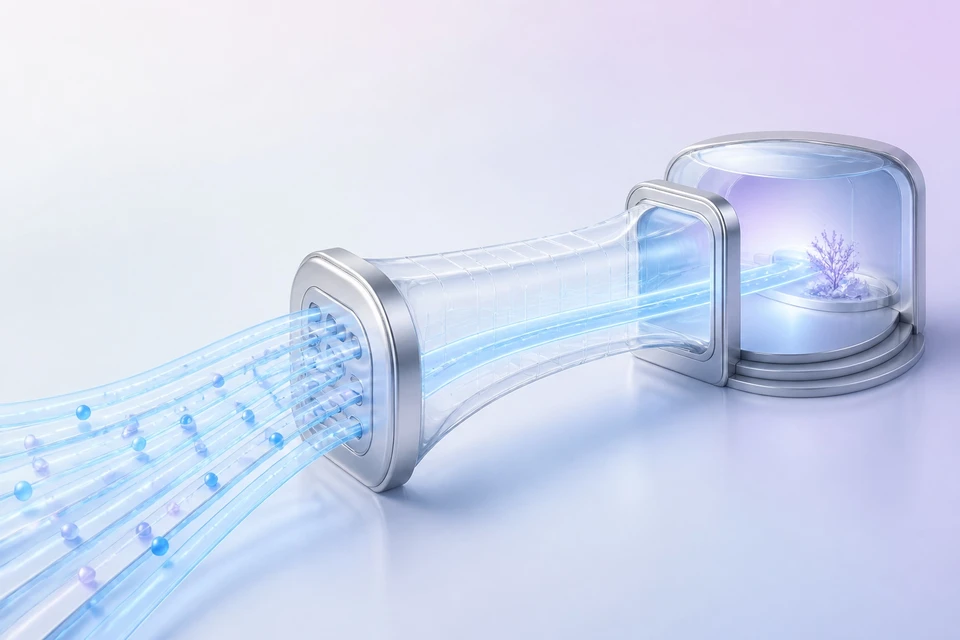
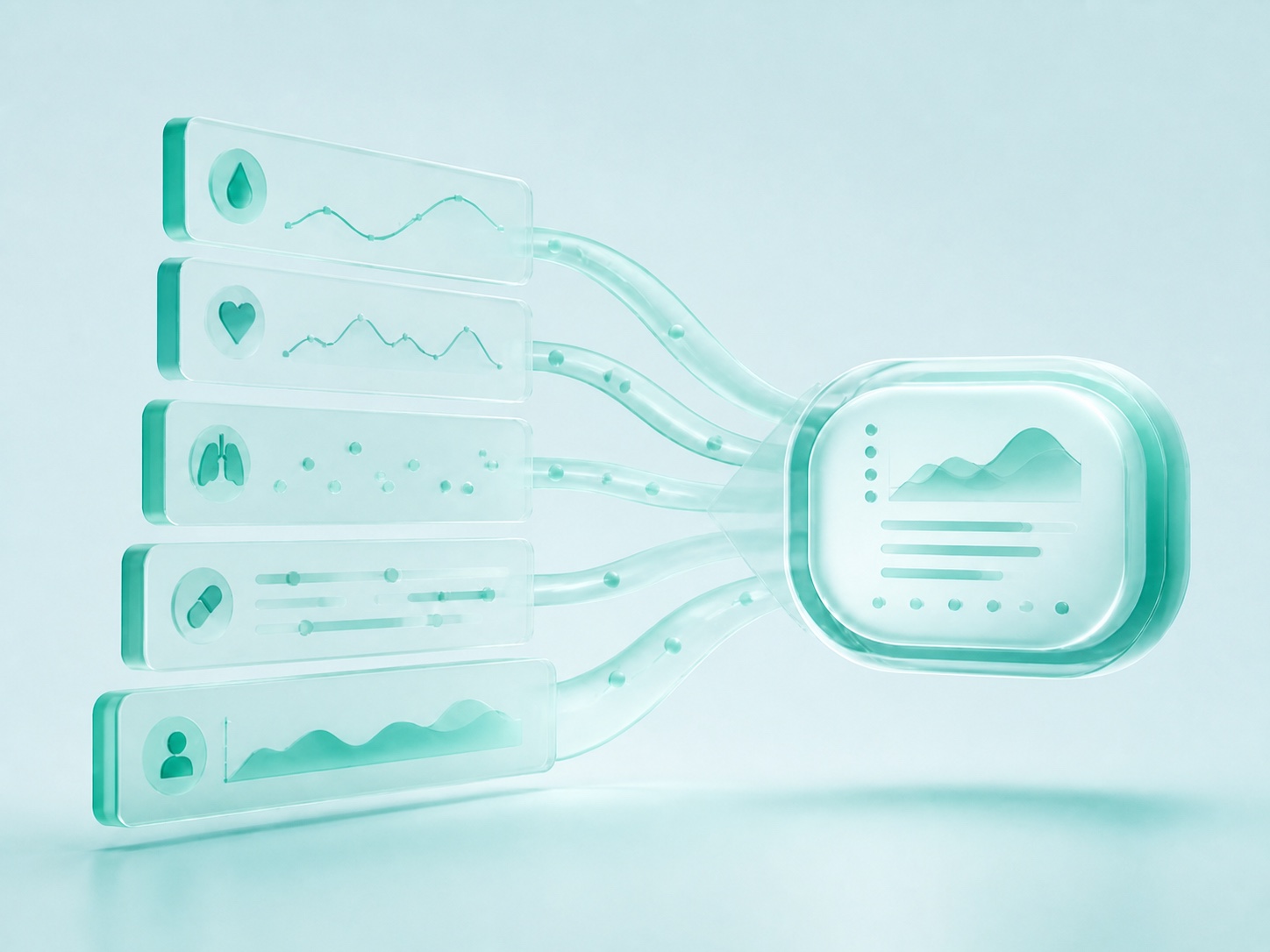
Five connected components turn fragmented medical data into a clear, verifiable context for the doctor.
-
Context
Health Memory
Keeps medical facts, events and changes in a single patient history.
-
 Documents
LabSkan
Recognises and structures lab results and medical documents.
-
Analytics
The BIOS algorithm
Compares data, tracks changes and identifies meaningful combinations.
-
Evidence
Verifiable hypotheses
Links each observation to specific evidence and original sources.
-
Security
Data protection
Uses access controls, de-identification and encryption.
We have learned to manage
health data.
So you can make informed decisions.
extracted, structured and checked in a technical audit
active semantic relationships between medical entities
of statements linked to a source and an assessed scope of applicability
Audited BIOS clinical knowledge system · 29 July 2026. Technical processing and traceability do not replace clinical validation.
A comprehensive patient overview in minutes

- 01
Concise summary
Key events, conditions, prescriptions and open questions without having to read the entire archive.
- 02
Timeline
The sequence of symptoms, tests, consultations and changes in the patient's condition.
- 03
Trends
Changes in measurements over time and meaningful combinations of medical events.
- 04
Data gaps
Information missing from a comprehensive assessment or needed to confirm a hypothesis.
- 05
Verifiable hypotheses
Each observation is linked to specific data, dates and original documents.
- 06
Next step
The doctor's decision and subsequent actions are saved in the patient history.
- 07
Continuous monitoring
BIOS proposes a personalised protocol to the doctor based on their decision and tracks patient adherence.
When to use BIOS Doctor
- 01
A complex first appointment
When a patient has an extensive history and many unorganised documents.
- 02
A follow-up after a long interval
When the doctor needs to quickly reconstruct what has changed.
- 03
A chronic condition
When context needs to be maintained across visits and specialists.
- 04
Assessing trends
When a single result is not enough and several time periods must be compared.
What changes in a doctor's workflow
BIOS gathers and organises the context. The doctor sees what matters sooner while retaining control of clinical decisions.
-
Less time gathering the history manually
BIOS assembles the timeline, documents and significant changes before the appointment.
-
Meaningful trends become visible sooner
Compares measurements over time to help identify important changes sooner.
-
Sources remain accessible
Every fact retains its link to the original document and can be checked.
-
Context is preserved between visits
History, decisions and observations continue between visits rather than starting from scratch.
-
Patients arrive better prepared
Patients gather their data in advance and arrive with clear questions and a prepared context.
Doctors on BIOS
Public doctor profiles
Patients can see a doctor's specialty, areas of practice and professional approach before making contact.
Cardiologist · adult patients
Elena Sokolova
Cardiovascular risk prevention and long-term monitoring. View profile →
Endocrinologist · metabolic health
Alexey Volkov
Working with changes in measurements, lifestyle and long-term patient goals. View profile →
General practitioner · comprehensive care
Irina Kim
A comprehensive assessment of health history and coordination between specialists. View profile →Names, photographs and profile details are illustrative.
New patients from BIOS
Doctors who join BIOS Doctor can be recommended to BIOS users for consultations and ongoing care.
Hundreds of people have created their BIOS
They bring their health history together, notice changes and share a prepared summary with their doctor.
 My health history is always at hand
 No more lost lab results
 I can see how my measurements change
 I prepare for appointments in advance
They could become your patients
Join BIOS → I control access to my data
 I do not have to retell my history
 I share a summary with my doctor
 I track changes over time
Images are illustrative.
International research programme
Join the BIOS research programme
Disputed decisions and research hypotheses are sent to the doctor's account for independent expert review.
-
01
Receive a question
A disputed decision or hypothesis requiring professional assessment appears in your account.
-
02
Record your assessment
Describe your decision and the data or reasoning behind it.
-
03
Add a study
Attach a publication or material that supports, refines or challenges the hypothesis.
Contribute to science with BIOS.
Learn more about the research programme
BIOS Media
Science, technology and clinical practice. Articles by the BIOS editorial team, platform doctors and invited experts.

The patient context — before the appointment
How structured context helps a doctor move from gathering facts to making decisions.
Read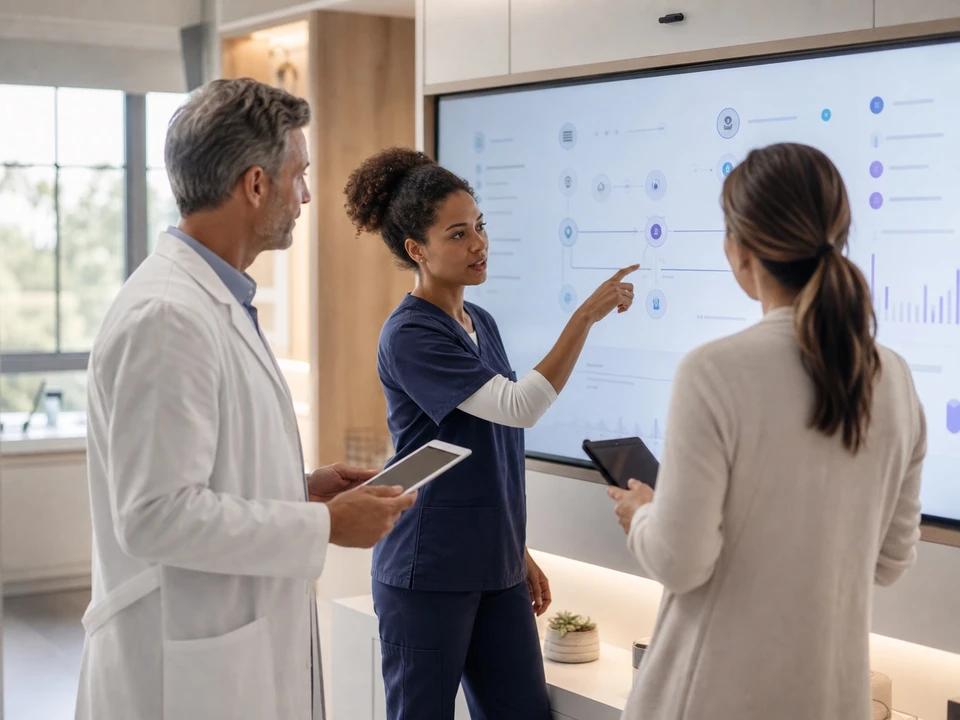
How a clinical observation becomes a research question
Expert perspectives, verification, authorship and the path from a hypothesis to a study.
Read
From medical documents to verifiable facts
What LabSkan extracts and why every measurement needs a traceable source.
ReadBIOS Doctor plans
Choose the scope of your practice
From working at an individual patient's invitation to developing your own practice, professional profile and programmes within BIOS.
Start
€49per month
The doctor receives access only at the initiative of a specific patient.
- Basic professional profile
- Access to the patient context they have authorised
- Save conclusions and work results
- Non-public profile in the doctor directory
Pro
Recommended€99per month
Build your own practice within BIOS.
- Everything in Start, plus:
- Extended professional profile
- Invite your own patients
- Personal doctor link
- Incoming enquiries from BIOS users
- Measurement trends
- Your own protocols
- Ongoing care programmes
- Conclusion templates
- Basic practice analytics
- 1 BIOS Media publication per month
- Research tasks and collaborative review
- Standard listing in the doctor directory
- Patients referred by BIOS
- No commission on consultations or patients
Expert
€179per month
Develop your practice, professional visibility and original programmes.
- Everything in Pro, plus:
- Expert page and badge
- Priority for incoming BIOS user enquiries
- Original medical programmes
- Advanced practice analytics
- 4 BIOS Media publications per month
- Editorial support and promotion
- Priority listing in the doctor directory
- Priority for patients referred by BIOS
- No commission on consultations or patients
14 days freeTry BIOS Doctor in real workflows, with no payment or commitment.
Two months freeWith annual payment for any plan.
BIOS Media and BIOS Doctor public offer, version 1.0 (PDF, Russian)
More than 150 active patients
Explore BIOS Clinical
BIOS Clinical for a team or clinic
Custom terms for a medical team, department or clinic.
FAQ
Frequently asked
questions
Get started with BIOS
What will a doctor see in BIOS before an appointment?
A concise summary, timeline, measurement trends, significant changes, data gaps and the patient's open questions.
Each fact links to its date and original document so the doctor can check the context independently.
Who gives the doctor access to patient data?
The patient grants access for a specific interaction.
The doctor sees only the authorised context, and the patient can manage the access they have granted.
Does BIOS diagnose conditions or prescribe treatment?
No. BIOS organises medical context and develops verifiable informational hypotheses.
Diagnosis, prescriptions and clinical decisions remain the doctor's responsibility.
How can a doctor verify a BIOS finding?
Every significant observation is linked to specific measurements, dates and original documents.
The doctor can check the basis, accept the finding, amend it or reject it.
What happens when data is incomplete or contradictory?
BIOS identifies gaps, discrepancies and limitations in the source information.
Missing data is not replaced by a convincing assumption: uncertainty remains visible to the doctor.
Do I need a clinical system integration to get started?
Not necessarily. You can start with documents and data the patient has already collected in BIOS.
Connections to clinical information systems, laboratories and other sources can be added as needed.
Will BIOS add more tasks during an appointment?
Most context preparation takes place before the visit.
During the appointment, the doctor starts with a concise summary and opens documents or trends only where needed for the decision.
How is medical data protected?
BIOS uses access controls, encryption and separate de-identification protocols for research use cases.
The doctor receives only the data authorised by the patient and needed for the chosen use case.
Can I invite my existing patients to BIOS?
Yes. Doctors can invite existing patients to preserve context and continue monitoring between visits.
Feature availability and limits depend on the BIOS Doctor plan.
Before the clinical decision
Appointment time goes on gathering facts.
- 01Documents are unstructured
- 02Trends have to be compared manually
- 03Some history only emerges in conversation
- 04Significant changes can be lost in a long history
BIOS Assembles available data into a single, verifiable context before clinical decision-making begins.