
clinical guidelines fully processed
Intelligent health management.
BIOS brings medical data together, analyses changes using its own algorithm, develops verifiable AI hypotheses and explains the findings in chat. Clinical decisions remain with the doctor.
What is BIOS?BIOS does not diagnose conditions or prescribe treatment. Clinical decisions are made by a doctor.
BIOS products
One system.
Four products.
Each product serves a different purpose while sharing the same medical context and continuous health history.
For individuals
BIOS Personal
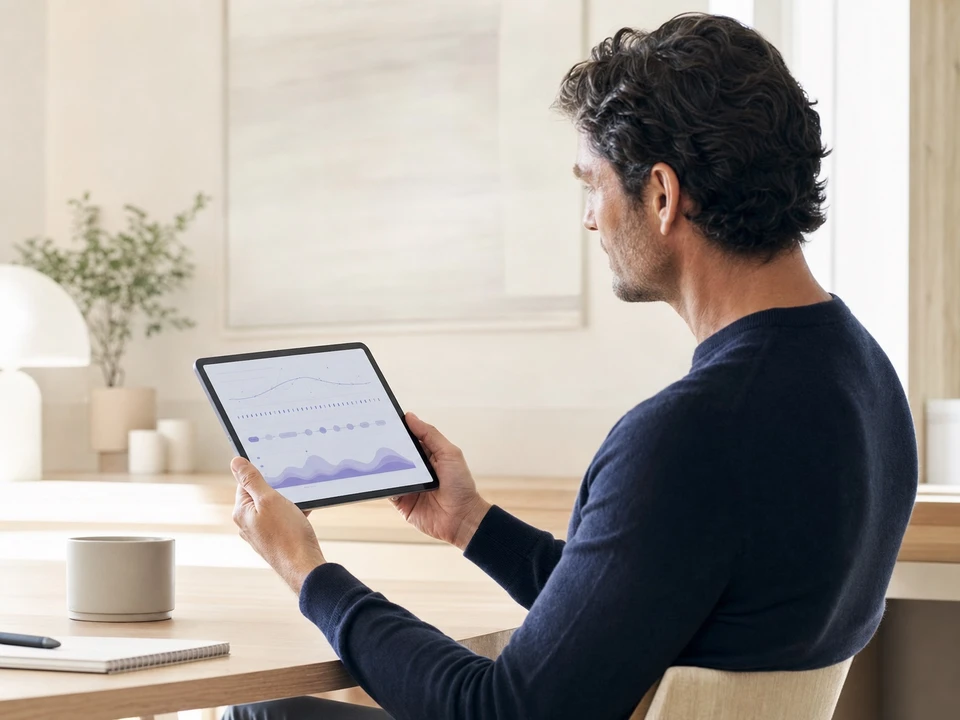
Brings your health history together, shows changes over time and helps you prepare for a conversation with your doctor.
Explore the product →
For doctors
BIOS Doctor
Assembles patient context before the appointment, highlighting changes and the evidence behind hypotheses that can be checked.
Explore the product →
For clinics
BIOS Clinical
Helps launch long-term monitoring programmes, evaluate protocols and personalise ongoing care.
Explore the product →
For pharmaceutical companies and research centres
BIOS Research
Conducts independent research, evaluates protocols and helps test hypotheses using longitudinal data.
Explore the product →We have learned to manage
health data.
So you can make informed decisions.
extracted, structured and checked in a technical audit
active semantic relationships between medical entities
of statements linked to a source and an assessed scope of applicability
Audited BIOS clinical knowledge system · 29 July 2026. Technical processing and traceability do not replace clinical validation.
BIOS technology
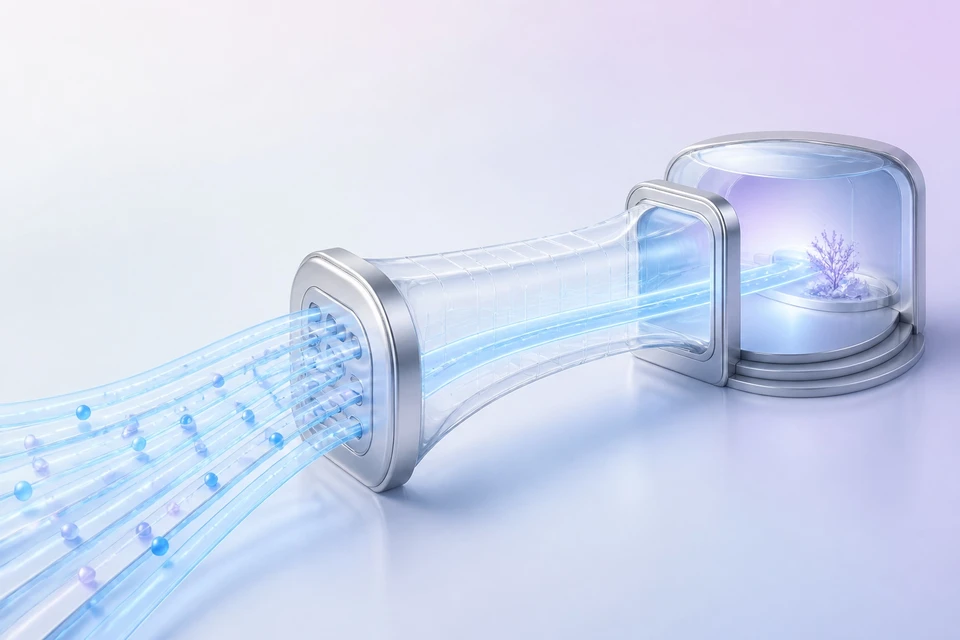
A shared BIOS core turns fragmented medical data into decision support in four steps.
Turns documents into medical facts
LabSkan extracts measurements, units, reference ranges and dates from lab reports, normalises them and preserves the link to the original document.
More about LabSkanRemembers the history, not just one result
Health Memory connects lab results, symptoms, prescriptions and events over time. Each fact is stored with its date, source and version.
More about Health MemoryDevelops a verifiable AI hypothesis
BIOS Intelligence compares trends and patterns, showing the facts used, possible relationships, gaps and limitations.
More about the algorithmExplains the findings. The doctor makes the decision
AI chat answers questions using BIOS data, explains the reasoning and helps prepare questions. A doctor confirms, refines or rejects the hypothesis.
More about clinical oversightIntegration
with other systems
Simple. Secure. Reliable.
Health apps
Data shared with the user's permission adds to the health history while retaining its source.






Clinical information systems
BIOS connects to an agreed data flow and supports existing workflows without replacing the clinic's core system.






Hundreds of people have created their BIOS
They bring their health history together, notice changes and share a prepared summary with their doctor.
 My health history is always at hand
 No more lost lab results
 I can see how my measurements change
 I prepare for appointments in advance
 I keep my results in one place
 I control access to my data
 I do not have to retell my history
 I share a summary with my doctor
 I track changes over time
Images are illustrative.
Join the BIOS ecosystem.
We bring medical data, technology and scientific expertise together through joint products, research and integrations.
Discuss a partnershipLaboratories
Send results directly into the patient's health history, making each new test part of the longitudinal analysis.
→Pharma and biotech
We develop longitudinal monitoring programmes and study changes between visits under an agreed protocol.
→Research centres
We conduct joint studies, test hypotheses and validate individual BIOS components.
→Wearables and apps
We add sleep, activity, recovery and other measurements to the medical context.
→Clinical information systems and digital health platforms
We integrate BIOS analytics into existing workflows without replacing the core system.
→
BIOS International Research Programme
Clinical knowledge should extend beyond a single appointment.
The programme brings doctors, researchers and healthcare organisations together to test clinical hypotheses and turn observations from practice into research and publications.
- Doctors
- Researchers
- Healthcare organisations
Data protection is
part of the BIOS architecture.
How BIOS protects data
Russian Federal Law No. 152-FZ · GDPR · HIPAA
We consider the requirements applicable to each use case and jurisdiction.
Data encryption
We protect data in transit and at rest.
De-identification
Research uses de-identified datasets under a separate protocol.
BIOS Media
The science, technology and practice of personalised medicine. Articles by the BIOS editorial team, platform doctors and invited experts.
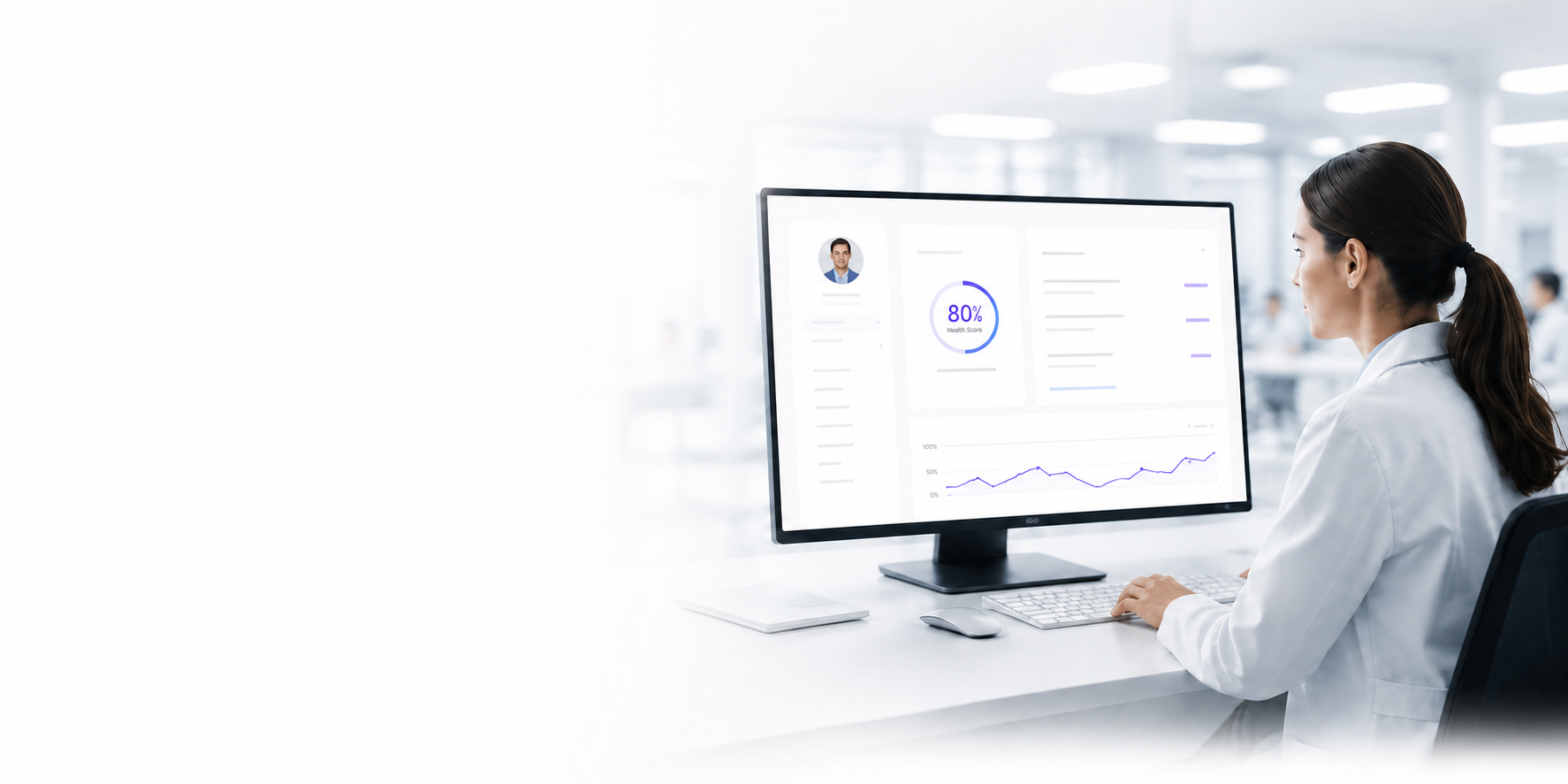
The patient context — before the appointment
How structured context helps a doctor move from gathering facts to making decisions.
ReadHow a clinical observation becomes a research question
Expert perspectives, verification, authorship and the path from a hypothesis to a study.
Read
From medical documents to verifiable facts
What LabSkan extracts and why every measurement needs a traceable source.
ReadFAQ
Frequently asked questions
Choose an areaWhat is BIOS?
BIOS is an intelligent health management system for individuals, doctors and clinics. It combines medical data into a coherent history, analyses changes over time and develops verifiable hypotheses for further assessment.
Which products are part of BIOS?
BIOS Personal is a personal health system for individuals. BIOS Doctor supports doctors and ongoing patient care. BIOS Clinical helps clinics evaluate protocols, personalise care, provide a patient app and reach BIOS users. BIOS Research supports independent research and protocol evaluation for pharmaceutical companies and research centres. All products share a common medical context.
Does BIOS diagnose conditions or prescribe treatment?
No. BIOS does not diagnose conditions, prescribe treatment or change it. The system assembles medical context, identifies meaningful combinations and trends, develops verifiable hypotheses and helps doctors make better-informed decisions.
Why can BIOS findings be trusted?
BIOS works with a structured health history. Each medical fact retains its date, source and context. Key hypotheses are linked to specific data so that a doctor can independently check their basis.
What happens when there is not enough data?
BIOS shows limitations and gaps in the medical context. The system should not replace missing data with a convincing answer. Confirming a hypothesis may require further tests or professional assessment by a doctor.
Can BIOS connect to existing medical systems?
Yes. BIOS can integrate with clinical information systems, laboratories, devices and other agreed data sources. Integration can proceed in stages without replacing a clinic's or partner's core infrastructure.
How does BIOS protect medical data?
BIOS uses access controls, encryption and de-identification where appropriate. Data is shared only to the extent necessary and within the scope authorised by the user or organisation.
What stage of development is BIOS at?
BIOS is undergoing closed testing and expert review, with clinical pilots in preparation. We do not claim proven medical effectiveness without sufficient data and independent confirmation of the results.
How can I start using BIOS?
Individuals can request early access to BIOS Personal. Doctors can join BIOS Doctor. Clinics can discuss a BIOS Clinical pilot. Laboratories, research centres, pharmaceutical companies and technology platforms can discuss integration or a joint project.
BIOS for individuals and clinics
Start with the problem
you want to solve.
Get access to a personal health analysis system or pilot BIOS Clinical with a single use case and agreed outcome measures.